For me and my Board of Directors, Alekain is not just a light, it is a symbol of resistance and it represents education as a beacon that guides individuals and communities toward a brighter, more prosperous future.

I was born in 1987, just before Afghanistan was engulfed in conflict between the Soviet-backed government and the Mujahideen, leading to a devastating civil war in 1992 and the rise of the Taliban in 1994. Growing up amid turmoil, my early years were marked by missed schooling and illiteracy. By the time the Taliban took power in 1996, I was eight years old and had already experienced more chaos than many do in a lifetime, unaware that even greater challenges awaited.
Alekain as a Symbol of Resistance under the Taliban in the 90s
When the Taliban took power in 1996, my family was forcibly displaced from Kabul to my father’s hometown, Ghazni. While facing many challenges, none were as heartbreaking as seeing my two sisters denied their right to an education. The Taliban’s decision to bar girls from school shocked me. I couldn’t accept this injustice, so I began homeschooling them using my books. I attended school in the mornings, helped my father on our farmland in the afternoons, and at night, we learned by the light of our Alekain lamp. This experience ignited a passion for education in me, and I went on to be the top student in my class of over 30 boys for nine years.
My Journey as an Educator
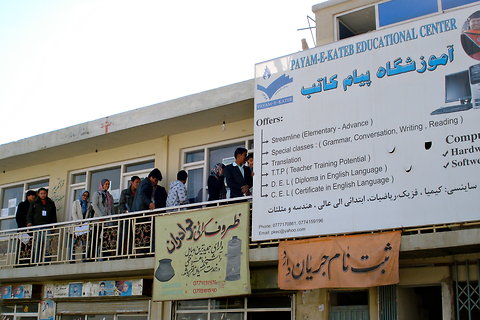
In 2004, I began my teaching journey after graduating from high school. By 2007, I had founded the Payam Kateb Educational Center (Kateb English House) in Kabul to support girls denied education under the Taliban. These young women inspired me with their hope and determination. Over the course of 17 years, my mission has been to ensure that everyone has access to education. However, my path has never been easy. As a Hazara, I faced ethnic prejudice that mirrored the barriers many Afghan girls encountered. These experiences only deepened my empathy for those fighting for their right to learn and fueled my resolve to champion equality and opportunity.
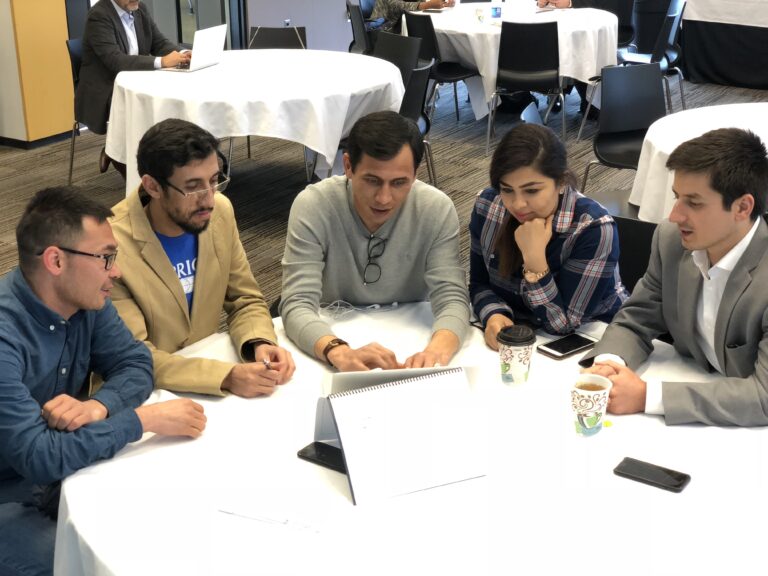
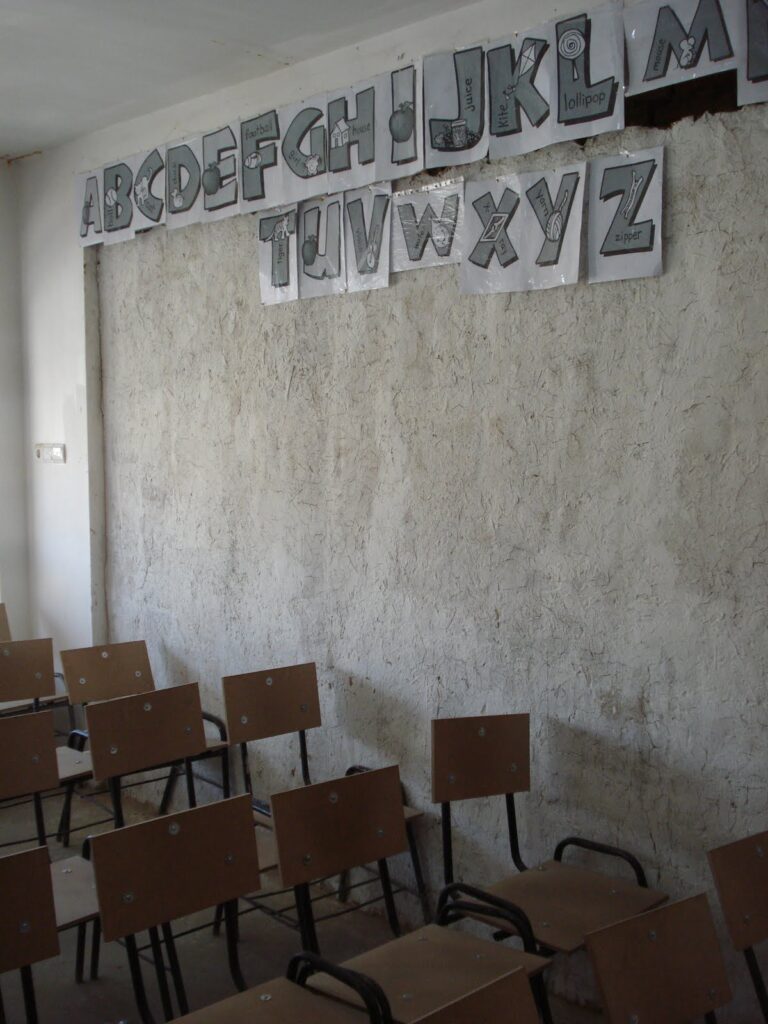
When the Taliban reinstated their ban on women’s education in Afghanistan in 2021, I felt compelled to act. This led me to establish the Alekain Foundation, a 501(c)(3) nonprofit dedicated to providing an accredited secondary education for women and girls, culminating in a globally recognized diploma. Alekain, which I cherish from my childhood, symbolizes hope and education as a guiding light for communities seeking a brighter future. Additionally, it represents resistance in Hazarajat, particularly Bamiyan, where the former Afghan government’s actions left the region in darkness for years.
The Inaugural Cohort
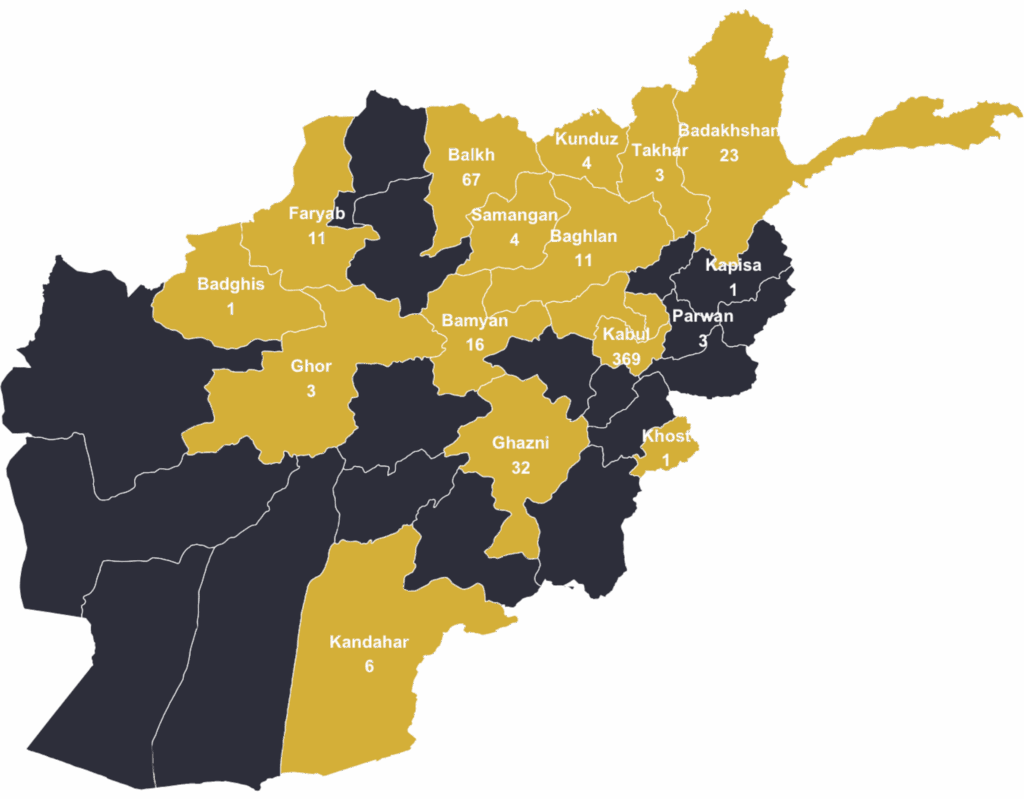
After launching our call for applications on November 11, 2024, we reached 821 girls in 22 provinces in just two weeks, showcasing their eagerness to learn. From the initial applicants, we selected 631 to take our English entrance exam, with 318 scoring at a CEFR level B2 or higher. We then shortlisted 65 candidates for interviews, ultimately narrowing them down to a cohort of 10.
We were inspired by our meetings with the applicants and their parents. For example, one of our applicants wanted to become a NASA researcher, and another who wanted to be a journalist for “the voice of the voiceless—women in Afghanistan”. Their impressive interviews, English proficiency, resilience, and commitment led us to increase our goal to support 29 young women in our first cohort.
These students come from some of Afghanistan's most remote regions, including Badakhshan and Daykundi, representing diverse ethnic groups such as the Uzbek, Turkmen, Pashtun, Tajik, and Hazara.
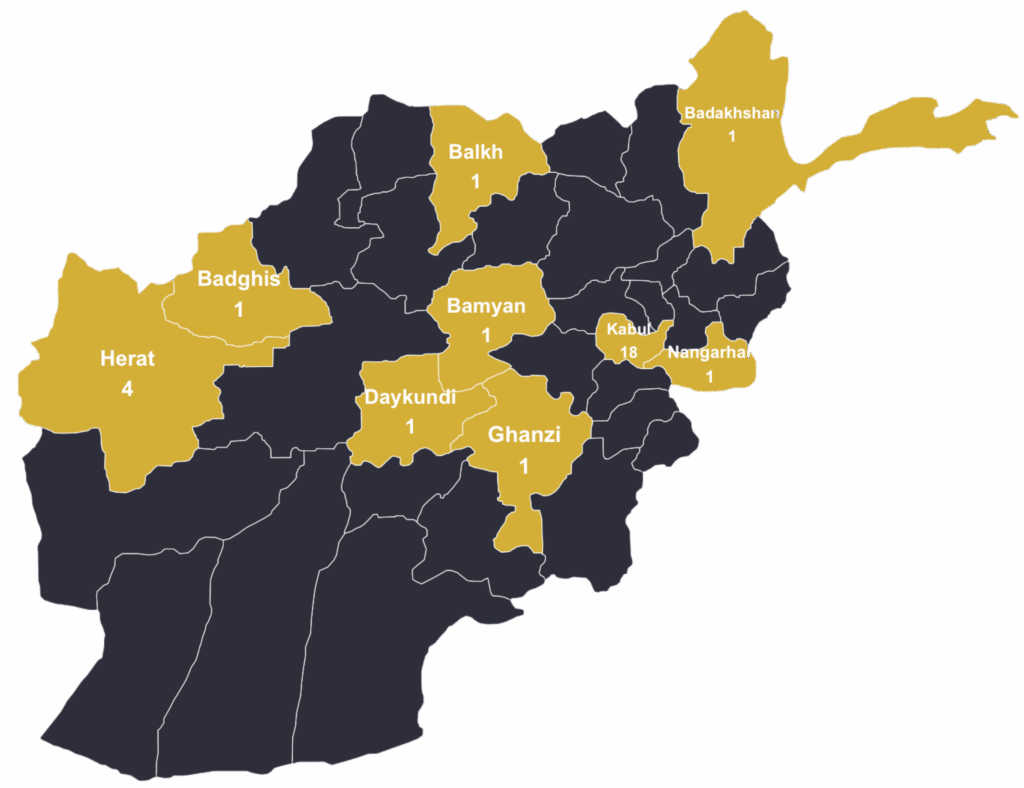
Our inaugural cohort of 29 students began their classes at Smart Schools International on March 3, 2025. Each student has been paired with a peer mentor (an American college student through our peer mentoring) for weekly sessions that include support with time management, goal-setting, and study and stress-relief strategies. These mentors not only help our students maintain an excellent academic standing and guide them through the college application process, but also support their psychosocial/socio-emotional development.
We are also partnering with Right to Learn Afghanistan, which has donated and distributed 27 computers to our students across the eight provinces, along with 12 months of internet costs. Our students—and all of us at Alekain—are filled with gratitude and joy for your support. Your belief in our mission means the world to us. Thank you for standing with us as we continue to create a brighter future for these girls.
Our initiative is an innovative and contextualized model for girls in Afghanistan. Recognizing that only 13.2% of the population has internet access, we provide each student with a computer and a monthly internet plan. Our asynchronous, accredited school allows students to complete courses at their own pace, earning an American high school diploma that opens doors to higher education. Each student is paired with a female American college mentor for academic and personal support, and our peer mentorship program helps them succeed. We also include parents in the process by having them attend interviews to share their hopes for their daughters, formalized through a commitment agreement during onboarding. Furthermore, we provide our students with guided group therapy education to help them remain resilient and overcome trauma.
Our theory of change is simple and yet critical, we are firm that, if girls can access secondary education, then they can build better, more stable, and resilient futures for themselves, their families, and societies because they are less likely to marry young, they are more likely to lead healthy, productive lives they earn higher incomes, they can make better decisions for themselves, their families, and their societies.